
When an electrical problem happens suddenly, the priority is not simply getting the lights back on. An experienced electrical contractor first makes the area safe, identifies the source of the fault, and then carries out the right repair. This approach helps protect people, appliances, wiring, and the property itself. Emergency electrical repairs may involve a tripped breaker, burning smell, sparking outlet, damaged wiring, partial power loss, electrical panel failure, or storm-related damage. A professional knows how to assess these problems safely and determine whether the issue can be repaired immediately or requires further electrical work.
What Is an Emergency Electrical Repair?
An emergency electrical repair is urgent work performed when an electrical fault creates a safety risk, causes significant power loss, or threatens property. Common examples include exposed wires, repeated breaker trips, overheating outlets, electrical burning smells, damaged panels, and storm-related electrical damage.
A contractor does more than replace a damaged component. The goal is to find the root cause, make the system safe, complete the necessary repair, and test the affected circuit before normal use resumes.
Features of Professional Emergency Electrical Repairs
1. Immediate Safety Assessment
The contractor first checks for fire, shock, exposed wiring, water contact, overheating, or other hazards before touching the electrical system.
2. Fault Diagnosis
Using appropriate testing equipment, the electrician identifies whether the problem involves the breaker, wiring, outlet, panel, appliance, or another part of the system.
3. Electrical Isolation
Where necessary, power to the affected circuit is isolated so the repair can be performed safely. Homeowners should never handle damaged or exposed live wiring themselves.
4. Fast Emergency Repairs
Depending on the fault, the contractor may repair wiring, replace a damaged outlet, correct a connection, replace a breaker, or address another failed component.
5. Electrical Panel Inspection
If breakers are repeatedly tripping or the panel shows heat, burning, or physical damage, the contractor checks the panel and connected circuits rather than repeatedly resetting the breaker.
6. Testing After the Repair
A professional should test the repaired circuit and confirm that the electrical system is operating correctly before recommending that the affected equipment or area return to normal use.
7. Preventive Recommendations
After the emergency is controlled, the contractor can identify underlying problems such as overloaded circuits, aging components, poor connections, or inadequate electrical capacity.
How to Get Emergency Electrical Repair Help
Step 1: Identify what is happening. Note whether you have a complete outage, partial outage, sparks, burning smell, buzzing, or repeated breaker trips.
Step 2: Keep people away from the affected area. Never touch exposed wires, damaged outlets, or electrical equipment that has been exposed to water.
Step 3: If it is safe to do so, switch off the affected circuit or main supply. Do not enter standing water to reach an electrical panel.
Step 4: Contact a qualified emergency electrical contractor and explain the symptoms clearly.
Step 5: Follow the electrician’s instructions until help arrives. If there is fire, an electric shock, or a fallen power line, contact the appropriate emergency or utility service as well.
Electrical safety guidance from the CDC specifically warns against touching fallen power lines and using electrical equipment around standing water.
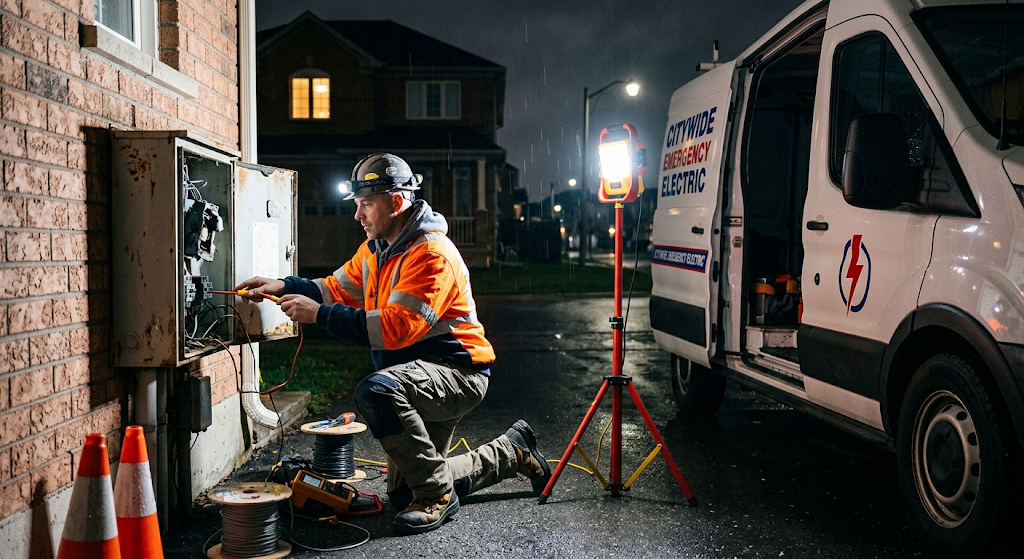
What Should You Never Do During an Electrical Emergency?
Do not repeatedly reset a breaker when it keeps tripping. Do not use water on an electrical fire, touch fallen wires, or attempt to repair exposed conductors yourself. These situations can involve serious shock and fire hazards.
How to Choose an Emergency Electrical Contractor
Look for a contractor who can explain what caused the problem, what needs to be repaired, and what testing will be performed afterward. Ask about licensing or qualifications where applicable, emergency availability, workmanship guarantees, and the expected repair cost.
Be cautious of anyone who immediately recommends major replacement work without first diagnosing the fault.
Personal Experience: What a Good Emergency Repair Should Feel Like
In my experience, the best emergency electrical service starts with calm communication rather than immediately reaching for tools. A good electrician asks what happened, which areas are affected, and whether there were sparks, smells, sounds, or recent storms.
The technician should then diagnose the problem systematically instead of simply replacing the first damaged component they find. Most importantly, the repair should leave you with a safer electrical system, not just temporarily restored power.
Pros and Cons of Emergency Electrical Repairs
Pros
- Restores essential electrical service quickly
- Helps reduce electrical fire and shock risks
- Identifies underlying electrical faults
- Can prevent a small issue from becoming a larger repair
Cons
- Emergency service may cost more than scheduled electrical work
- Some repairs require replacement parts that may not be immediately available
- Hidden wiring or panel damage can require additional inspection
- Severe damage may require utility or other emergency services
What Happens After an Emergency Electrical Repair?
Once the immediate problem is fixed, ask the contractor whether the underlying cause has been identified. A post-repair inspection can be especially useful after electrical surges, flooding, storms, repeated breaker trips, or panel problems.
For older properties, the contractor may also recommend checking whether the existing electrical system can safely handle modern appliances and equipment.
Conclusion
An electrical contractor handles emergency repairs by making the situation safe, diagnosing the fault, isolating the affected system, completing the repair, and testing the result. The process should focus on both immediate safety and the underlying cause.
If you notice sparks, burning odors, exposed wiring, repeated breaker trips, or water around electrical equipment, avoid DIY repairs and seek qualified professional help.
Top 4 FAQs
How quickly can an emergency electrician respond?
Response times depend on the contractor, location, traffic, and severity of the emergency. Ask about availability when you call.
What electrical problems require emergency repairs?
Sparks, burning smells, exposed wiring, electrical fires, damaged panels, repeated dangerous breaker trips, and certain storm or water-related faults may require urgent attention.
Can I fix a tripped breaker myself?
A simple trip can sometimes be reset safely, but if the breaker trips again, stop resetting it and have the circuit professionally inspected.
Should I turn off the electricity during an emergency?
If you can safely access the main switch without entering water or approaching damaged equipment, shutting off power may reduce risk. Otherwise, leave the area and contact a qualified professional.